Choosing the right Aluminium Sliding Window manufacturer in China requires more than comparing catalog prices. Factory experience, profile quality, glass options, hardware performance, and installation support can strongly influence the final result. A smooth showroom sample does not always guarantee reliable performance on a coastal project or a high-rise building.
This guide introduces ten notable Chinese manufacturers serving residential, commercial, and large-scale construction markets. The selection considers production capacity, customization experience, quality-control procedures, export records, and communication standards. It also examines practical details, including aluminum alloy grades, powder-coating thickness, roller durability, drainage design, glazing configurations, and thermal-break technology.
Some manufacturers focus on premium architectural systems. Others provide cost-efficient solutions for developers and distributors. Their strengths are not identical. One may offer excellent engineering support, while another may provide faster lead times or broader color choices.
Look beyond the brochure.
Reliable suppliers should explain testing methods, warranty terms, packaging procedures, and replacement-part availability. Factory audits, project references, and sample inspections can reveal issues that online rankings miss. Buyers should also confirm compliance with applicable local building requirements before placing an order.
No ranking is completely objective. Market information changes, and supplier performance may vary between projects. This list is therefore a practical starting point, not a final purchasing decision. Careful technical review remains essential when selecting an Aluminium Sliding Window manufacturer for long-term value, safety, and appearance.
What Are Aluminium Sliding Windows?
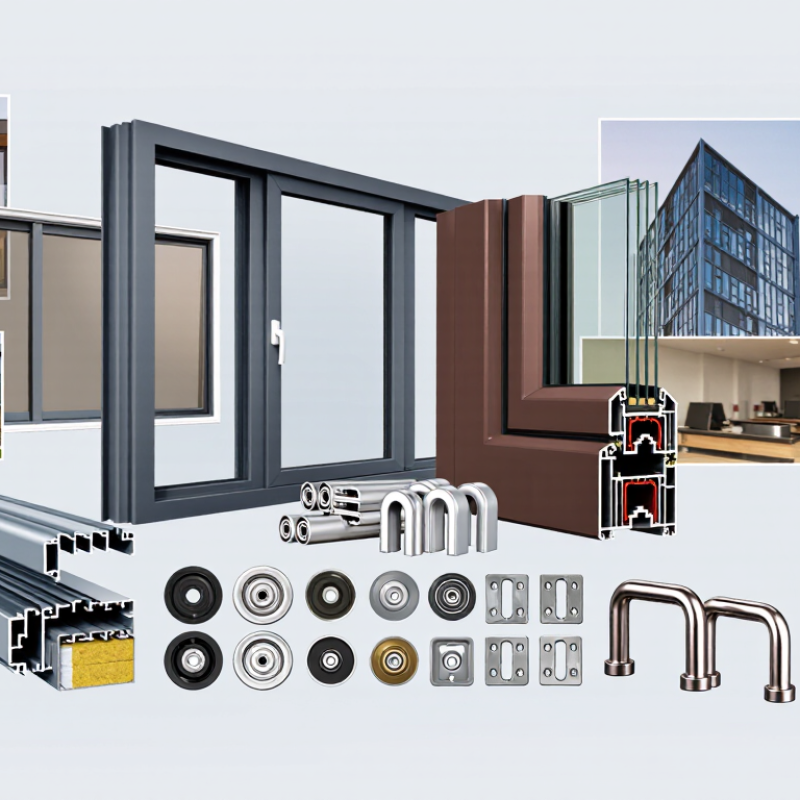
Aluminium sliding windows use horizontal sashes that move along tracks instead of opening outward. Their frames are usually light, rigid, and resistant to moisture. This makes them practical for balconies, kitchens, offices, and high-rise apartments. The moving panel needs accurate rollers, clean tracks, and a reliable locking system.
Energy performance depends on more than the metal frame. Uninsulated aluminium conducts heat quickly, so modern systems often use a thermal break between the inner and outer sections. Low-emissivity glass and insulated glazing can further reduce heat transfer. The U.S. Department of Energy reports that low-e windows may cut window-related heat loss by 30% to 50%, depending on the product and installation. Small details matter.
The International Energy Agency reports that buildings consume about 30% of global final energy. Window selection therefore deserves technical attention, not only visual comparison. Buyers should check the tested U-value, solar heat gain coefficient, air leakage, water resistance, and resistance to wind load. These values should follow recognized testing methods, such as ISO 10077 or relevant national standards.
A slim frame is not automatically efficient. I learned this through specification reviews. Poor track drainage can also create trouble after heavy rain. For projects comparing China’s leading aluminium sliding window manufacturers, sample testing is more dependable than catalog claims. Check corner joints, glass thickness, gasket quality, roller movement, and installation tolerances. A beautiful sample can still perform poorly on site.
China Top 10 Aluminium Sliding Window Manufacturers
How to Evaluate Chinese Aluminium Sliding Window Manufacturers
A strong manufacturer should provide more than attractive product photos. Check its operating history, production equipment, and experience with similar building projects. Request company registration details, factory videos, and recent project references. Better still, arrange an independent factory inspection.
Review the aluminium specification carefully. Ask for alloy grade, wall thickness, coating method, and dimensional tolerances. A reliable supplier can provide test reports for air permeability, water tightness, wind resistance, and operating cycles. Inspect a physical sample, not only a catalogue image. Slide the panels repeatedly. Check whether the rollers feel smooth and whether the locking points align properly.
Hardware often reveals manufacturing discipline. Confirm glass thickness, seal type, drainage design, screen options, and replacement procedures. Compare the warranty with the supplier’s actual service capacity. Clear drawings, written quotations, and documented quality checks reduce misunderstandings. Lead times should include tooling, sampling, production, and shipping.
I once focused too heavily on unit price. That was a mistake. A cheaper quotation may exclude packaging, upgraded hardware, or installation guidance. Ask for a complete landed-cost estimate and a realistic production schedule. Communication quality also matters. Slow or vague replies before an order may create larger problems afterward. Still, no evaluation is perfect. Even a careful sample cannot fully predict long-term performance in every climate.
China’s Top 10 Aluminium Sliding Window Manufacturers are often compared by production control, testing capacity, and export experience. A factory may look impressive, yet its real performance appears in corner joints, drainage holes, and repeated opening tests. The International Aluminium Institute reported global primary aluminium production above 70 million tonnes in 2023. China contributed nearly 60% of that volume, supporting a large and mature window supply chain.
Reliable manufacturers usually provide alloy certificates, coating reports, wind-load calculations, and sample test records. The Global Market Insights aluminium doors and windows report identifies energy efficiency and urban construction as major market drivers. This matters for sliding windows, where frame thermal breaks, glass thickness, and seal compression affect indoor comfort. In my experience, suppliers with clear drawings usually create fewer installation problems. Still, a polished catalogue proves little. Some specifications remain vague, and buyers should question them.
Tips: Request a complete sample before ordering. Check wheel movement, lock alignment, drainage, and seal contact by hand. Ask for test standards, warranty limits, and replacement-part availability. Compare the same glass and hardware configuration across all ten candidates. Pricing alone can mislead. A cheaper frame may hide thinner walls, weaker rollers, or poor coating preparation. Review third-party reports, factory records, and recent project references before making a final shortlist.
China’s top aluminium sliding window manufacturers compete through product depth, engineering control, and export reliability. Their ranges often include two-track sliders, lift-and-slide systems, slim-frame windows, and large glazed openings for villas and commercial buildings. Thermal-break profiles with PA66 polyamide strips help reduce heat transfer. Double or triple glazing improves insulation and acoustic comfort. Low-E glass is common for projects facing strong sunlight.
Manufacturing strength appears in the details. Modern plants use CNC machining, automated cutting, and controlled powder coating lines. Multi-point locks, stainless-steel rollers, and concealed drainage improve daily performance. Some suppliers also provide custom colors, corner assemblies, insect screens, and integrated shading solutions. Independent air, water, and wind-pressure testing adds useful evidence. However, test results must match the actual window size and configuration. A laboratory sample may perform better than a rushed production batch.
China’s market advantage comes from a broad aluminium supply chain and flexible customization. Manufacturers can coordinate profiles, glass, hardware, packaging, and installation guidance within one project schedule. Their experience with overseas orders also supports varied climate requirements, from humid coastal areas to cold northern regions. Yet low prices can hide thinner walls, weak hardware, or inconsistent surface treatment. Buyers should inspect section drawings, coating specifications, sample corners, and quality records before signing. Factory visits are valuable, though they do not replace independent inspection. Some catalogs look impressive; real performance still depends on disciplined production.
China Top 10 Aluminium Sliding Window Manufacturers?
Choosing the right manufacturer matters more than choosing a ranked list. A suitable partner should understand your climate, wall structure, glass requirements, and installation method. Ask for aluminium alloy grades, coating specifications, hardware details, and independent test reports. Reliable manufacturers can explain these points clearly, without avoiding technical questions.
Review their production experience through factory videos, sample inspections, and recent project references. Request a physical corner sample, not only attractive catalogue images. Check the frame joints, roller movement, drainage holes, seals, and locking points. Confirm whether the quoted price includes packaging, testing, replacement parts, and technical support. A low quotation can hide weak hardware or incomplete service. I have learned that small omissions become expensive after installation. No supplier is perfect, so communication speed and problem-solving matter too.
Tips: Compare at least three detailed quotations. Send identical drawings to each manufacturer. Ask for lead times in writing. Test one sample before placing a large order. Also, verify shipping documents and applicable building requirements for your destination. Be careful with vague promises; they sound reassuring, but they provide little protection. A manufacturer may offer excellent profiles yet lack consistent quality control. Regular inspection records, trained workers, and clear quality checkpoints are stronger evidence than polished marketing.
An anonymized comparison framework based on commonly specified aluminium sliding-window capabilities in the Chinese export market.
| Supplier Reference | Primary Product Range | Aluminium System | Typical Glass Options | Thermal Performance | Maximum Tested Size | Customization Capability | Export Documentation | Typical Lead Time | Suitable Project Type |
|---|---|---|---|---|---|---|---|---|---|
| Supplier Reference 01 | Standard and thermal-break sliding windows | 6063-T5/T6 aluminium; powder coating or anodizing | 5 mm single; 5+12A+5 mm double glazing | Thermal-break option; performance depends on glass and seals | Up to approximately 2,400 × 2,200 mm per sash | Colour, mesh, hardware, glass and opening direction | Shop drawings, packing list, commercial invoice and test documents | 25–35 days after approved drawings | Residential renovation and mid-rise housing |
| Supplier Reference 02 | Heavy-duty lift-and-slide and panoramic systems | Thermal-break aluminium with reinforced sash frames | Double or triple insulating glass; laminated safety glass | Improved insulation with polyamide thermal barrier | Up to approximately 3,500 × 3,000 mm per panel | Large panels, concealed drainage and custom hardware layouts | Structural calculations, installation drawings and packing records | 35–50 days after technical approval | Luxury villas, hotels and high-end commercial buildings |
| Supplier Reference 03 | Economical two-track and three-track sliding windows | Non-thermal-break 6063 aluminium profiles | Single glazing or basic double glazing | Basic insulation; best for moderate climates | Up to approximately 1,800 × 1,800 mm per sash | Standard dimensions, colours, screens and handles | Basic product specification and shipping documents | 20–30 days after order confirmation | Budget housing and small replacement projects |
| Supplier Reference 04 | Coastal and weather-resistant sliding window systems | Marine-grade finishing options with corrosion-resistant hardware | Laminated, tempered and solar-control glazing | Available thermal-break configurations | Up to approximately 2,800 × 2,500 mm per sash | Salt-spray finish, drainage, mosquito screens and glazing types | Finish samples, test reports and moisture-management details | 30–45 days after finish confirmation | Coastal residences and humid-climate developments |
| Supplier Reference 05 | Project-based windows and doors with engineering support | Thermal-break and non-thermal-break systems | Double glazing, acoustic glazing and laminated glass | Calculated U-value available for complete assemblies | Determined by wind load, glass weight and system design | Detailed shop drawings, mock-ups and facade coordination | Engineering drawings, compliance files and inspection records | 40–60 days for engineered projects | Apartments, offices and multi-building developments |
| Supplier Reference 06 | Minimal-frame and modern architectural sliding systems | Slim-profile aluminium with reinforced perimeter frames | Large-format tempered or laminated insulating glass | Performance varies by glass make-up and frame depth | Up to approximately 3,200 × 2,800 mm per panel | Slim sightlines, pocket doors, corner openings and custom tracks | Assembly drawings, load guidance and installation instructions | 35–55 days after final measurement | Contemporary villas and architectural residences |
| Supplier Reference 07 | Fire-egress, safety and impact-resistant window solutions | Reinforced aluminium profiles with safety-focused hardware | Tempered, laminated or impact-rated glazing | Specified according to local building-code requirements | Subject to egress, wind-load and safety calculations | Safety restrictors, emergency-release hardware and custom locks | Test certificates and compliance documentation available by project | 35–50 days after compliance review | Schools, apartments and regulated public buildings |
| Supplier Reference 08 | Custom-colour and decorative-finish window systems | Standard or thermal-break aluminium profiles | Clear, tinted, reflective and decorative glazing | Dependent on profile depth, seals and selected glazing | Up to approximately 2,600 × 2,400 mm per sash | Custom colour matching, wood-effect finishes and hardware options | Colour samples, production drawings and container-loading photos | 30–45 days; special finishes may require extra time | Hotels, retail interiors and design-led renovations |
| Supplier Reference 09 | High-volume standardized windows for repeated units | Standard 6063 aluminium profiles with automated processing | Single or double glazing in repeated standard sizes | Consistent batch performance when specifications are fixed | Based on approved modular dimensions | Limited design changes; strong repeat-order efficiency | Batch inspection reports, pallet labels and quantity schedules | 20–35 days for confirmed repeat specifications | Large housing programs and contractor supply |
| Supplier Reference 10 | Small-batch and made-to-measure export orders | Mixed standard and thermal-break profile systems | Single, double, laminated and obscure glass | Selected according to climate and project budget | Confirmed after review of opening sizes and wind exposure | Low-volume customization, insect screens and hardware selection | Quotation drawings, installation notes and shipment photographs | 25–40 days after drawings are approved | Private homes, extensions and small commercial projects |
Compare the complete tested assembly rather than the aluminium profile alone. Request section drawings, glass specifications, hardware details, drainage design, wind-load calculations and applicable test reports before placing an order.
Lead times and maximum dimensions are indicative industry ranges. Actual performance, certification, minimum order quantity, warranty terms and delivery schedule must be confirmed in writing for the specific project.
They use horizontal panels that move along tracks. They do not swing outward. They suit balconies, kitchens, offices, and apartments. Clearance is not usually needed outside.
Aluminium is light, rigid, and moisture-resistant. It can support slim frame designs. However, uninsulated metal transfers heat quickly. The frame alone is not enough.
Choose systems with a thermal break. Low-emissivity glass can reduce heat transfer. Insulated glazing may improve indoor comfort. Ask for tested U-values and solar heat gain data. Small details matter.
Request air leakage, water resistance, and wind-load results. Check the tested U-value as well. Ask which recognized testing method was used. Numbers without test conditions are less useful.
Slide each panel several times. The rollers should move smoothly and quietly. Check glass thickness, gasket quality, and locking alignment. Inspect corner joints closely. Samples can mislead.
Tracks need clear drainage paths. Poor drainage can cause trouble after heavy rain. Look for drainage holes and sealed joints. Ask how blocked water exits the frame. Rain finds weak points.
Review operating history, equipment, and similar project experience. Request registration details, factory evidence, and recent references. An independent factory inspection provides stronger evidence. Written quality procedures are helpful. I once trusted photos too much.
Request a complete landed-cost estimate. Include packaging, hardware, tooling, sampling, shipping, and installation guidance. Confirm production dates in writing. A low quotation may exclude important items. Cheap is not always cheaper.
No sample can predict every climate or installation condition. Site tolerances, drainage, maintenance, and workmanship also matter. Review replacement procedures and service capacity. This evaluation is useful, but imperfect.
This guide explains what an Aluminium Sliding Window is and why it is widely used in residential, commercial, and industrial projects. It introduces the main design features, including smooth horizontal operation, space-saving installation, durable frames, energy-efficient glazing, weather resistance, and flexible customization. The article also presents a practical method for evaluating Chinese manufacturers by examining product quality, material standards, production capabilities, certifications, quality control, technical support, delivery performance, and after-sales service.
The overview of China’s top 10 Aluminium Sliding Window manufacturers focuses on their product ranges, manufacturing strengths, technological capabilities, and market applications without relying on brand promotion. It compares factors such as profile design, glass options, hardware systems, thermal performance, safety features, automation, and project experience. Finally, the guide explains how buyers can select the most suitable manufacturer by matching technical specifications, budget, project scale, customization needs, lead time, and long-term service expectations.

Apex Window & Door