Choosing the best Aluminium Windows & Doors for 2026 means looking beyond slim frames and showroom samples. The right system should suit the climate, building design, and installation conditions. Small details matter: a continuous thermal break, tight corner seals, and hardware that closes smoothly can affect comfort every day.
The International Energy Agency reports that building operations account for about 30% of global final energy consumption. The U.S. Department of Energy estimates that windows can contribute to 25–30% of residential heating and cooling energy use. These figures make performance worth checking, not assuming. Compare tested U-factors, solar heat gain coefficients, air leakage ratings, and water resistance for the intended climate. Ask for the test standard and product documentation. A polished brochure is not proof.
Look closely.
Aluminum frames are durable and design-flexible, but their performance varies. Thermal breaks, glazing, seals, and installation all count. Recycled content and finish warranties deserve scrutiny too. One useful perspective comes from architect and building-preservation expert Carl Elefante: “The greenest building is the one that is already built.” His reminder is relevant when deciding whether to replace sound windows or improve them. It does not settle every case; sometimes existing frames are simply beyond repair. This guide compares the features that matter in 2026, from thermal performance and durability to maintenance and value. No single product is best for every project. The details, and the installer, can change the result.
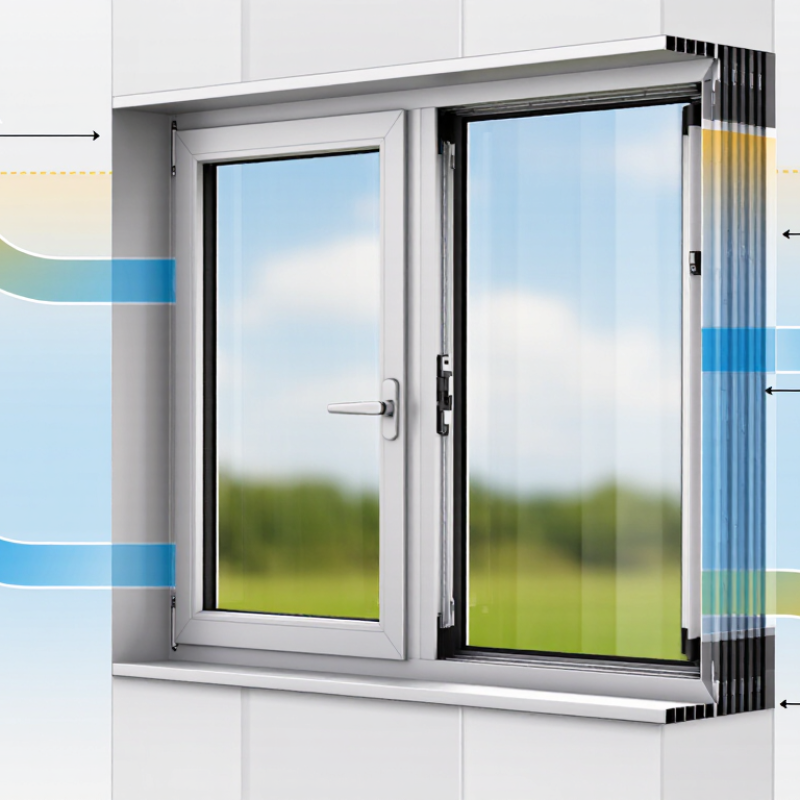
The best aluminium windows and doors in 2026 are defined by whole-system performance, not slim sightlines alone. Look for thermally broken frames that limit heat transfer, well-sealed opening joints, and glazing suited to local sun and weather. A narrow frame can look elegant. Poor seals still matter.
Performance needs evidence. The U.S. Department of Energy estimates that windows account for 25–30% of residential heating and cooling energy use. That is a substantial share.
Compare certified U-factor and solar heat gain coefficient ratings, rather than relying on glass descriptions alone. ENERGY STAR reports that replacing single-pane windows with certified models can save households about 12% on energy bills on average nationwide; actual savings vary by home and climate.
Durability is part of the definition, too. On a windy, rainy elevation, sound drainage paths, secure hardware, and replaceable seals matter more than showroom gloss. Ask for test data on air leakage and water resistance, plus installation details for the wall opening.
Even a well-rated unit can disappoint if fitted carelessly. One limitation: performance labels cannot tell you whether a specific installer will seal every corner properly. That detail deserves scrutiny.
For 2026, aluminium windows and doors should be judged by their complete system, not frame strength alone. Aluminium is durable and slim, but it conducts heat readily. A continuous thermal break helps limit transfer between the outdoor and indoor frame surfaces. The U.S. Department of Energy estimates that windows account for about 25–30% of residential heating and cooling energy use; actual losses vary with climate, building design, and installation. That makes glazing and frame ratings worth checking.
Look for independently rated U-factor and solar heat gain coefficient (SHGC) values, such as those shown through the National Fenestration Rating Council’s rating system. Lower U-factor generally means less heat transfer; suitable SHGC depends on local sun exposure. Double glazing with low-emissivity coating can improve comfort, while tight gaskets and well-designed drainage help keep wind-driven rain outside. A good frame can still underperform if the opening is poorly sealed. Small details matter.
Tips: Ask for test ratings for the exact window or door configuration, including glass, frame, and operable sections. Check that locks pull the sash firmly against its seals. For coastal sites, confirm the finish is specified for salt exposure. No single rating tells the whole story. I would also inspect a sample corner joint in person; brochures rarely show how cleanly the parts meet.
Aluminium windows differ most in how they open and use space. Casement windows swing outward, giving broad ventilation and clear views, but need room outside. Sliding windows preserve interior space and suit wide openings. Their fixed panels, however, may limit the amount of fresh air. Tilt-and-turn designs offer controlled ventilation and inward cleaning. That convenience can add hardware and cost. A real trade-off.
For doors, sliding panels create a wide glass opening without sweeping across a room. They work well beside patios, though the threshold and track need careful drainage and regular cleaning. Hinged doors seal tightly when correctly fitted, but require clear floor space. Folding systems can open much of a wall. Their multiple joints and rollers make precise installation especially important. More moving parts mean more to inspect.
Style should follow the building’s exposure and daily use, not appearance alone. In a windy or rainy location, ask how the frame handles water, how the seals are replaced, and whether the sill suits the floor level. Thermal-break frames and appropriately specified glazing can improve comfort, but performance depends on the complete window or door assembly. Check published test data and installation details. A slim frame may look elegant, yet it can reduce glass area less than expected—or leave little room for robust hardware. Measure the opening and test sample handles before deciding.
What are the best aluminium windows and doors for 2026? The answer depends on the building, not just the frame. For houses in cold or mixed climates, compare whole-window U-factor, air leakage, and solar heat gain coefficient (SHGC). The U.S. Department of Energy estimates that windows account for 25–30% of residential heating and cooling energy use. Performance matters. A thermally broken aluminium frame, paired with suitable glazing and careful installation, can reduce heat transfer without sacrificing narrow sightlines.
Apartments and high-rise offices need different checks. Ask for documented wind-load, water-penetration, and acoustic test results for the proposed window system. Coastal projects should also assess corrosion resistance and maintenance needs.
For offices with large glass areas, SHGC and external shading can help manage glare and cooling demand. On renovations, verify opening dimensions and existing wall conditions before ordering; even a strong product can underperform when fitted poorly. I would not choose by slimness alone. It can be an expensive preference.
Tips
Match ratings to your climate and building exposure. Request test reports for the complete window or door, not just the aluminium profile. Check who will install and seal it. The U.S. Department of Energy’s window guidance is a useful starting point, but local project conditions still deserve careful review.
Assessing aluminium windows and doors starts with details you can inspect, not brochure claims. Ask for frame depth, alloy specification, and evidence of a tested whole-window performance rating. Thermal breaks should separate inner and outer aluminium, while seals meet evenly at the corners. Look closely. Uneven gaps, rough drainage slots, or loose handles may signal rushed fabrication or weak quality control. Request glass specifications suited to your climate, room orientation, and noise exposure.
Even a well-made unit may leak air or water if the opening is poorly prepared. Before fitting, installers should check dimensions, plumb, level, and sill condition. Details matter. Ask how the sill will drain, how perimeter gaps will be insulated, and which sealant is compatible. After installation, operate every sash and lock, then inspect seals and drainage during a controlled water test. Keep dated photos and written care instructions. Compare total cost with expected maintenance, replacement hardware availability, warranty exclusions, and the installer’s service record. Powder-coated finishes still need gentle cleaning; coastal exposure can shorten service life. That trade-off is easy to underestimate.
| Assessment area | What to look for | How to assess it | Why it matters |
|---|---|---|---|
| Thermal performance | Thermally broken aluminium frames paired with glazing selected for the climate. As a broad comparison, whole-window U-values around 1.2–1.6 W/m²K are achievable with many quality double-glazed systems; high-performance triple-glazed options may be lower. | Request the whole-window Uw value for the specified frame, glass, spacer and dimensions. Check whether the figure is calculated or tested and which standard and size it applies to. | Lower U-values generally indicate less heat transfer, but results depend on the complete window assembly and the building design. |
| Frame and finish | A continuous thermal break, sound corner joints, durable gaskets and a finish suitable for the exposure. Powder coating and anodising are common options; suitability depends on the coating specification and environment. | Inspect sample corners and finish consistency. Ask for the coating or anodising specification, cleaning instructions and maintenance requirements. | Frame construction and finish affect comfort, weather resistance and how well the product retains its appearance over time. |
| Air, water and wind performance | Tested classification appropriate to the building’s height, location, exposure and opening type. EN 12207 covers air permeability, EN 12208 water tightness and EN 12210 resistance to wind load. | Request test reports for the relevant product configuration and dimensions. For reference, Class 4 is the highest air-permeability class in EN 12207; water and wind classifications must be matched to the project. | Good laboratory ratings help compare products, but site exposure, correct drainage and installation also influence real-world performance. |
| Glazing and solar control | Insulating glass selected for the orientation and climate, with safety glass where required. Low-emissivity coatings, gas-filled cavities and solar-control glass can be specified as appropriate. | Review the glass make-up, centre-of-glass U-value, whole-window Uw value and solar factor (g-value or SHGC). Confirm safety-glazing locations against local building rules. | Glazing choices affect heat loss, solar gain, glare, daylight and safety. The best specification depends on the building and climate. |
| Acoustic performance | Glazing and frame configuration matched to the noise source. As a broad guide, some specially configured windows can achieve sound reduction ratings in the mid-30s to low-40s dB range; results vary substantially by design and test method. | Ask for a tested rating such as Rw, with any relevant spectrum adaptation terms (C and Ctr), for the proposed configuration. | A rating for one glass make-up or window size should not be assumed to apply to every configuration or the installed room. |
| Operation and hardware | Hardware suited to the sash weight and opening style, smooth operation, secure locking points and readily replaceable wear components. Sliding and lift-slide doors need properly sized rollers and well-designed drainage. | Operate a full-size sample if possible. Check locking, seals, adjustment access, replacement-part availability and any hardware load ratings. | Ease of use, security and repairability contribute to everyday performance and long-term ownership costs. |
| Installation quality | Accurate opening measurements, a level and square frame, suitable mechanical fixings, insulated perimeter gaps and continuous interior and exterior weather seals. | Ask for a written installation scope and inspection checklist. Confirm how the installer will manage drainage, sill flashing, air sealing and the junction with the wall’s weather-resistive layers. | Even a high-performing product can leak or operate poorly if the opening is out of square or the frame-to-wall connection is inadequately sealed. |
| Compliance and documentation | Product and installation documentation relevant to the project’s jurisdiction, including performance reports, glass safety information and care guidance. | Check that reports identify the tested configuration and applicable standard. Verify local energy, wind-load, egress and safety-glazing requirements independently. | Clear documentation makes it easier to confirm that the selected product is suitable and installed as specified. |
| Long-term value | Compare the complete installed specification rather than the frame material alone. Include glazing, hardware, installation, maintenance, repair access and expected energy performance. | Obtain itemised quotations on a like-for-like basis. Review written warranty terms, exclusions, service arrangements and the availability of replacement components. | The lowest initial price may not represent the best value if performance, installation quality or future repairability is weaker. |
Comparison tip: Ask each supplier to quote the same opening sizes, glass specification, hardware, performance targets and installation scope. Ratings and requirements vary by country, test method, product configuration and project conditions.
Look at the complete system, not just slim frames. Thermal breaks, tight seals, suitable glazing, and drainage all matter.
It separates the inner and outer aluminium surfaces, reducing heat transfer through the frame. Small details matter.
Check the tested U-factor and solar heat gain coefficient for the exact configuration. Lower U-factor generally means less heat transfer; suitable solar gain depends on local conditions.
Double glazing with a low-emissivity coating can help. The right choice still depends on room direction, climate, and sun exposure.
Inspect the corners for even contact. Locks should pull the sash firmly against its seals, and handles should feel secure. Not always obvious.
They should measure the opening and check that it is plumb, level, and ready for installation. Ask how they will insulate gaps and manage sill drainage.
Open and close every sash, test each lock, and inspect the seals. A controlled water test can reveal drainage problems.
Salt exposure can shorten finish life. Confirm the finish suits coastal conditions, and ask about cleaning, replacement seals, and hardware availability.
No. Ratings cannot show whether every corner was sealed carefully. Even a strong product can disappoint after rushed installation.
Choosing the best Aluminium Windows & Doors for 2026 means balancing energy efficiency, durability, security, appearance, and budget. Performance depends on factors such as frame design, glazing, thermal breaks, weather seals, and hardware. Comparing styles—including sliding, hinged, and folding options—helps buyers find practical solutions for different layouts, access needs, and amounts of natural light.
The right choice also depends on the building type, local climate, and how each room will be used. Buyers should assess product quality, installation requirements, maintenance needs, and expected service life rather than focusing on purchase price alone. A well-matched system, correctly installed and cared for, can provide lasting comfort, reliable operation, and strong long-term value.

Apex Window & Door